soj.ooO
BETA
The social discussion platform
Home
Pochas
Channels
Videos
Log in
Sign up
Sign up
Home
Pochas
Channels
Videos
Log in
Sign up
Parent Post: The worst and second worst time to enter into war.
·
In Reply To
dickie
·
9/30/2026, 3:38:43 PM
·
permalink
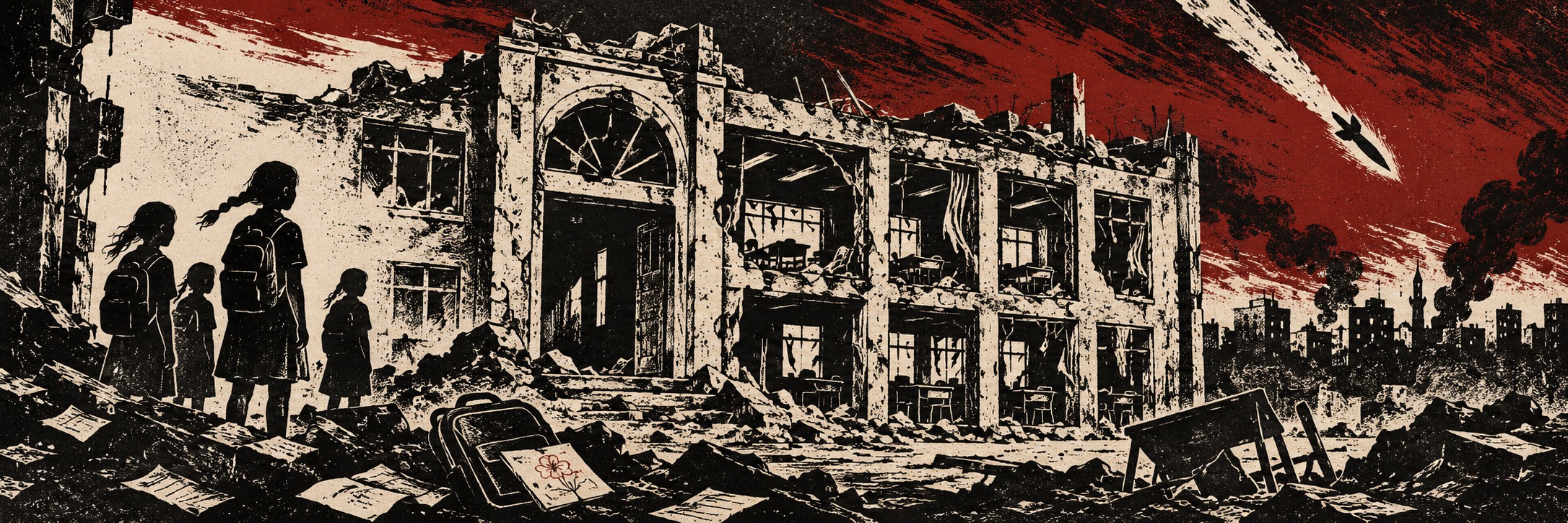 China and Russia pursue power, security, and national interests. So does the United States. I’m not objecting to realism. I’m objecting to the idea that if a war might become necessary later, starting it early somehow turns it into self-defense. The phrase “before we need to” is doing a lot of work here. How do you know when that point has arrived? If China attacked the United States because it believed America might become too dangerous later, I doubt anyone here would simply accept that as prudent self-defense. The same standard has to apply in both directions. And even if I grant that the United States is “the best by far,” that does not make every use of force justified. Minab is one reason I have a hard time giving the government that much trust. On Feb. 28, during the opening phase of the U.S.-Israeli war with Iran, a girls’ primary school in Minab was struck. More than 150 people were killed, including about 120 children. A U.N. fact-finding mission later found reasonable grounds to believe U.S. forces were responsible and that the strike amounted to a war crime. Open-source investigators documented multiple missiles and at least two waves of strikes in the area, including Tomahawks. A preliminary U.S. military investigation reportedly pointed to likely U.S. responsibility. Trump still blamed Iran without presenting evidence. A current Block V Tomahawk costs about $3.64 million. The U.S. can guide one across hundreds of miles, but seven months later still has not publicly admitted responsibility or explained why that school was hit. If the U.S. knows it carried out the strike and will not admit or explain it, that is an accountability failure. If it genuinely cannot determine whether its own forces fired the weapon, I find that even more disturbing. And these are the people I’m supposed to trust to decide that some future danger is serious enough to justify starting a war before an attack happens. The contrast with the first Trump administration is hard to ignore. Nikki Haley went before the U.N. Security Council after a Palestinian rocket landed in an Israeli kindergarten playground. Nobody was killed there, but she emphasized how horrifying the potential harm was and demanded international condemnation. She was right to care. But when an Iranian girls’ school is hit and more than 100 children actually die, seven months go by without a public accounting of what happened. A rocket landing in an empty kindergarten was enough to demonstrate the horror of attacks on civilians. More than 100 dead children should not somehow require less urgency because the evidence points toward the United States. I also have a personal reason for being skeptical of the gap between official rules and what happens in practice. In U.S. Army basic training, I was taught the Geneva Conventions. Later, during field training, the senior drill sergeant told us not to aid a wounded enemy but to “double tap” him. Then he told us not to tell the captain. The classroom lesson was legally correct. A wounded enemy who is no longer fighting is protected. The drill sergeant’s advice was not. I’m not claiming one drill sergeant represented the entire Army. What stuck with me was how easily the rule taught in the classroom could become something else once the training moved into the field. That experience did not convince me that rules were pointless. It convinced me that rules, scrutiny, and accountability matter. China and Russia pursue their interests. So does the United States. That is exactly why I want evidence and accountability before the government tells me it needs to start a war early for my protection.
Save
Cancel
3
bumps
Share
Signature
Loading…
Verify locally
Close